
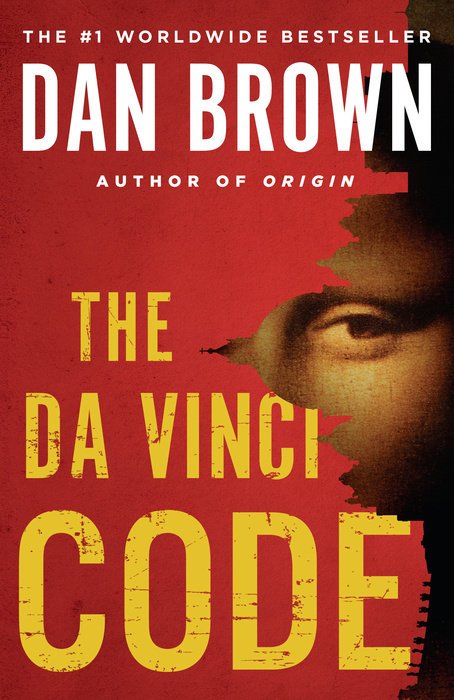
Unveiling Secrets: A Personal Dive into The Da Vinci Code
There are books that whisper to you from the shelf, urging you to uncover what lies beneath their covers. For me, The Da Vinci Code by Dan Brown was one of those magnetic tomes, rich with intrigue and the promise of adventure. I’d heard about its whirlwind of controversy and intrigue, and I felt an irresistible pull to explore the labyrinthine paths of art, history, and secret societies that Brown masterfully weaves throughout this gripping narrative.
From the very first page, I was plunged into a world of mystery that felt both exhilarating and unsettling. The story follows Robert Langdon, a symbologist drawn into a murder mystery at the Louvre, where the cryptic code of the painting "The Last Supper" becomes the key to a centuries-old conspiracy. Complementing Langdon is Sophie Neveu, a brilliant cryptologist navigating her own troubled past, whose partnership with Langdon adds depth and tension to their quest. The central theme of seeking truth, peppered with discussions on religion and art, struck a chord with me personally. It’s a reminder of how we often grapple with inherited beliefs and the unquenchable thirst for knowledge that drives us forward.
Brown’s writing style is palpably vivid; he elegantly marries fast-paced storytelling with rich detail. Each chapter is a mini-cliffhanger, propelling the narrative forward and compelling you to devour just one more before setting the book down. I found myself lost in the rhythm of the prose, often sacrificing sleep to unravel Brown’s captivating puzzle. The way he incorporates real historical locations and artifacts breathes life into the narrative, making the journey feel urgent and real.




One quote that lingers in my mind is: “The greatest mystery is not whether God exists, but whether we can truly understand Him.” This line resonates deeply as it encapsulates the book’s exploration of faith and doubt—a dance between belief and skepticism. It also reminds us that sometimes, the questions we ask are far more significant than the answers we seek.
If there’s anything to highlight, it’s the subtle critique of the fabric interwoven between art and truth, which made me ponder how history is often written by the victors. The book calls into question the very foundations of what we consider knowledge and truth and prompts readers to think critically about what they accept as given.
So, who would enjoy this book? If you have an insatiable curiosity and love the thrill of a good mystery, The Da Vinci Code is an adventure you won’t want to miss. It’s perfect for those who enjoy a blend of history, art, and a dash of existential inquiry, making it an excellent companion for coffee shop afternoons or travels to historical sights.
In conclusion, reading The Da Vinci Code was not just a dive into a fictional world, but an invitation to question my understanding of the real one. It inspired a sense of wonder and reverence for art and history that I hadn’t anticipated. I closed the book feeling invigorated, as if I had journeyed through a hidden world, armed now with thoughts and questions that will linger long after the last page was turned. So, what secrets will you uncover?
[ad_2]
Discover more about The da Vinci Code (Robert Langdon, #2) on GoodReads >>