
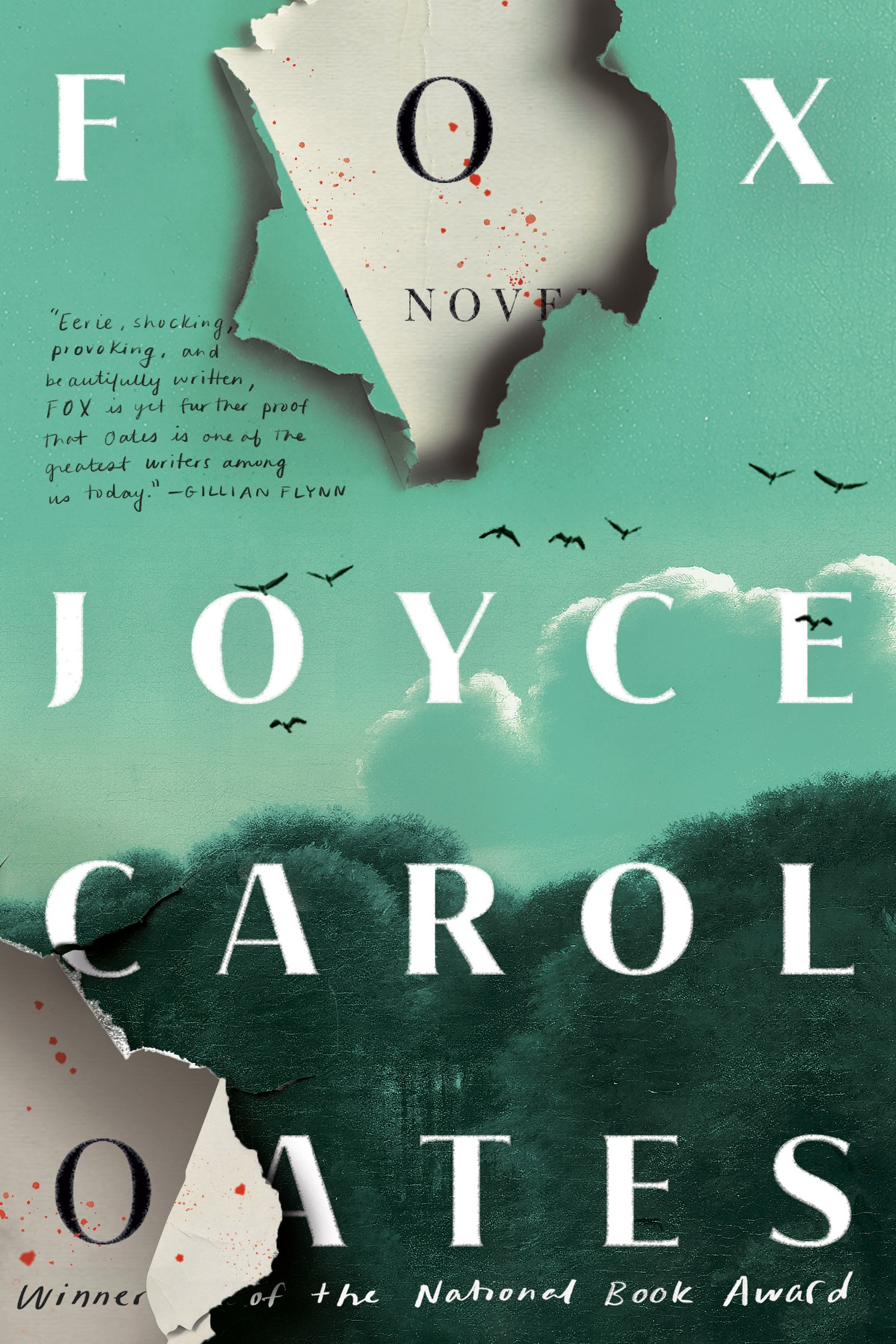
An Unnerving Encounter with Joyce Carol Oates’s Fox
When I first picked up Joyce Carol Oates’s Fox, I was drawn in by the chilling premise and the author’s reputation for psychological depth. Having long admired her ability to weave unsettling narratives, I knew I was in for a gripping, albeit disturbing, ride. What I didn’t expect was how deeply it would resonate with me, reflecting not just the sinister machinations of its characters but also the broader malaise simmering within our educational institutions.
At the heart of Fox is Francis Fox—a masterfully crafted antagonist whose charm masquerades a chilling malevolence. Oates presents Fox not merely as a predator, but a complex figure, an artful manipulator whose charm disguises his predatory nature. Reading his internal monologues, I often felt an unsettling connection to his rationalizations. His self-deception mirrors the dark reality many face—how easily we can justify harmful actions when cloaked in intellect and charisma. This psychological complexity kept me both enthralled and horrified; it forced me to confront unsettling truths about allure, power, and the shadows we cultivate in our minds.
Langhorne Academy is more than just a backdrop; it serves as a character in its own right, a gothic institution that nurtures both privilege and predation. Oates’s sharp critique of the academy’s culture—its glossy facade hiding deep-seated abuses—resonated deeply, especially in our current climate of institutional reckoning. The duality of its manicured lawns masking insidious behavior gave me pause, inviting reflection on how often we overlook warning signs in favor of maintaining appearances.





Oates employs a polyphonic narrative structure that adds layers of complexity to the unfolding drama. Shifting perspectives, including that of Detective H. Zwender, brings a fresh lens to the investigation. Zwender’s moral clarity contrasts starkly with Fox’s twisted logic, making readers feel the weight of both justice and betrayal. This narrative choice deepened my engagement, offering a multifaceted view of the trauma inflicted and the ripple effects it creates through various lives.
However, at times, the pacing felt uneven, particularly during Fox’s extended contemplations. While these passages are rich in psychological insight, they occasionally slowed my reading momentum. Nonetheless, I appreciated how they deepened character development, forcing me to wrestle with the darkness that lurks in human nature.
The emotional anchor of the novel lies in the portrayal of the Healy family, especially Mary Ann and her cousin Demetrius. Their struggles highlight how trauma affects different socioeconomic backgrounds, providing a grounded, poignant perspective amidst the broader themes of corruption and privilege. Demetrius’s protective instincts moved me deeply, and his role in Fox’s ultimate downfall delivered a satisfying quotient of cosmic justice that left me contemplating both loss and redemption.
In conclusion, I wholeheartedly recommend Fox to anyone who enjoys a tense thriller infused with serious literary inquiry. Joyce Carol Oates has not only crafted a haunting narrative but also illuminated the dark corners of human nature and institutional failure. This book will resonate with readers seeking not just a story, but a deeper understanding of predation, power, and the complexities of justice. Fox is an unsettling masterpiece that will linger long after the final page, a testament to Oates’s profound understanding of the shadows we often overlook. Are you brave enough to take this journey?
[ad_2]
Discover more about Fox on GoodReads >>